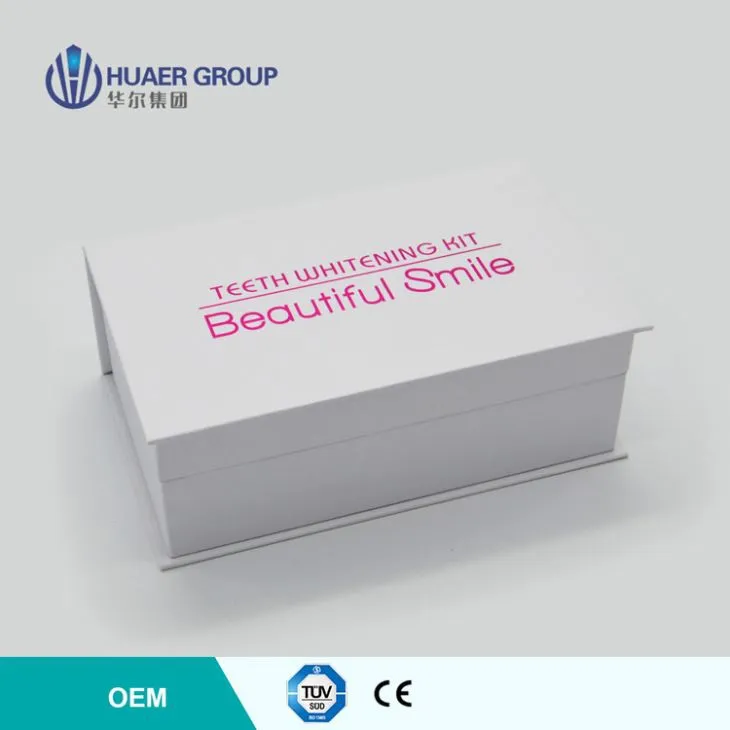
The demand for brighter smiles is constantly growing, making wholesale teeth whitening products a potentially lucrative business venture. Whether you’re a dental professional looking to expand your offerings, or an entrepreneur seeking a profitable niche, understanding how to source and sell these products is key. This guide provides a comprehensive overview of the wholesale teeth whitening market, from identifying product types to navigating regulatory requirements and effectively marketing your business. By following these steps, you can establish a successful wholesale teeth whitening product business and capitalize on the ever-growing demand for whiter teeth.
What are Wholesale Teeth Whitening Products
Wholesale teeth whitening products are dental care items purchased in bulk from suppliers to be resold to consumers or used in a professional setting. The wholesale model allows businesses to acquire these products at a lower cost per unit compared to retail prices, increasing profit margins. These products often include a variety of treatments, designed to remove stains and brighten teeth. Understanding the different types of products available and their respective market demands is the first step toward building a successful wholesale business.
Types of Wholesale Teeth Whitening Products
The wholesale teeth whitening market encompasses several product categories, each catering to different consumer preferences and needs. It is essential to understand each product type to tailor your inventory and marketing efforts effectively. Product selection impacts your target audience and how you position your business.
Teeth Whitening Strips

Teeth whitening strips are a popular option because of their convenience and ease of use. They typically contain a thin layer of hydrogen peroxide or another bleaching agent that adheres to the teeth. Strips are a cost-effective entry point into the market. They are favored by consumers who prefer an at-home treatment with minimal effort. When offering whitening strips, be sure to understand the varying concentrations of active ingredients and provide clear instructions for safe usage. It’s also important to consider the different strip designs, as they can impact the fit and comfort for users.
Whitening Gel and Trays
Teeth whitening gels are applied using custom-fit or pre-made trays. These products offer more control over the whitening process and are often preferred by dental professionals. The trays ensure the gel is evenly distributed across the teeth, maximizing effectiveness. Wholesale options for gels can include various concentrations of peroxide, catering to a range of sensitivities and whitening goals. Partnering with suppliers that offer different tray types allows you to cater to a wide range of customers. Offering professional-grade whitening gels can attract dentists or dental clinics, further expanding your market reach.
Whitening Toothpastes and Mouthwashes
Whitening toothpastes and mouthwashes serve as maintenance products to complement other whitening treatments. These products typically contain abrasive agents or mild bleaching ingredients to remove surface stains and prevent new stains from forming. The market is growing as more consumers are looking for products that complement their whitening efforts. When buying wholesale, focus on the product ingredients, formulations, and any specialized claims. Offering products that contain ingredients like fluoride, which strengthens enamel, is beneficial to customers. Educate your customers on proper use of these maintenance products to create customer loyalty.
Benefits of Buying Wholesale

Purchasing teeth whitening products through wholesale channels provides significant advantages for businesses looking to maximize profits and meet consumer demands. The cost-effective nature of wholesale allows companies to offer competitive pricing, increase profitability, and provide a broader range of products. Understanding these benefits is critical to implementing an effective business strategy.
Cost Savings
The primary advantage of buying wholesale is the significant cost savings. Wholesale prices are substantially lower than retail prices, enabling businesses to achieve higher profit margins. These savings allow you to offer competitive pricing, attract more customers, and potentially increase your market share. Savings can be invested in better products or used for marketing campaigns, driving further business growth. Negotiating with suppliers and ordering in larger quantities can further reduce per-unit costs, maximizing your profitability.
Product Variety
Wholesale suppliers often offer a wider range of products than retailers, which allows you to create a diverse product line. You can cater to a broader customer base by providing various product types, strengths, and brands. Having a diverse inventory also allows you to meet different price points and preferences. This variety can set you apart from competitors, and providing a one-stop shop enhances the customer experience. Continuously evaluating your inventory mix and offering new products, such as those with innovative ingredients or packaging, is crucial to maintain customer interest.
Building a Brand

Buying wholesale allows you to customize products and build a unique brand identity. You can choose products that align with your brand values. You can offer private label options to create your brand. This helps in developing brand recognition and customer loyalty. Packaging, marketing materials, and customer service are all elements of brand building. You can also foster a strong brand reputation by providing excellent customer service and high-quality products. Building a distinct brand also allows you to differentiate yourself in the market, making you stand out from other businesses.
Finding Reliable Wholesale Suppliers
Sourcing reliable wholesale suppliers is crucial for the success of your teeth whitening business. Reliable suppliers provide quality products, competitive pricing, and consistent supply chains. Various channels can be utilized to identify and partner with the right suppliers, each with distinct advantages and challenges.
Online Marketplaces
Online marketplaces are a convenient way to find wholesale suppliers. Platforms like Alibaba and DHgate connect you with numerous suppliers, but it’s critical to do your due diligence. Always research suppliers, read reviews, and request samples before making a bulk purchase. Ensure suppliers have the necessary certifications and comply with all regulations. Make sure the supplier’s policies are transparent and easy to understand. Consider the shipping costs and delivery times from each supplier.
Trade Shows

Trade shows offer a valuable opportunity to meet suppliers in person. You can see the products, evaluate the quality, and negotiate pricing directly. Attending dental or cosmetic trade shows can help you find niche suppliers. Trade shows often include product demonstrations and allow you to build relationships with suppliers. Networking at these events also helps you stay informed about the latest industry trends and product innovations. Prepare questions in advance to get the most out of the show.
Manufacturer Direct
Sourcing products directly from manufacturers can lead to the best pricing and product customization options. Establishing direct relationships with manufacturers allows you to control the supply chain and ensure product quality. Research manufacturers and verify their credentials. Negotiate the terms of your agreement to match your needs. Be prepared for higher minimum order quantities when working directly with manufacturers. Build trust with your suppliers and be upfront about your business plans. This also opens opportunities for private-label products and custom formulations, which can significantly set your brand apart.
Evaluating Wholesale Suppliers
Carefully evaluating potential wholesale suppliers is essential to guarantee the quality of the products and secure the profitability of your business. Critical evaluation criteria include product quality, pricing, minimum order requirements, and shipping and return policies.
Product Quality

Product quality is the most important factor. Request samples and test the products before committing to a bulk purchase. Make sure the products meet all safety standards and regulatory requirements. Check for certifications and ensure the products are made using safe ingredients. Inquire about the manufacturing process, ingredients, and expiry dates. Product quality directly affects customer satisfaction and brand reputation. Consistent high-quality products will create customer loyalty and positive reviews.
Pricing and Minimum Orders
Compare prices from different suppliers to find the best deal. Negotiate with suppliers to get the best possible price. Pay attention to the minimum order quantities (MOQs). If they are too high, they might strain your cash flow. Calculate your potential profit margins based on wholesale prices and projected sales. Understand all the hidden costs, such as shipping fees. Select the supplier with the most favorable terms.
Shipping and Returns
Consider the shipping costs and delivery times. Ensure the supplier offers reliable and insured shipping options. Understand the supplier’s return policy. What happens if products are damaged or defective? A clear return policy helps protect your business from loss. Look for suppliers that have a quick and easy return process. A good supplier should handle returns efficiently to protect your business and maintain customer trust.
Marketing and Selling Wholesale Products

Effective marketing and sales strategies are critical for success in the wholesale teeth whitening market. By creating a strong online presence, utilizing social media, and offering top-notch customer service, you can attract customers and grow your business.
Creating an Online Store
An online store is the primary storefront for selling your products. Choose an e-commerce platform that is user-friendly and offers features relevant to your business. Use high-quality product images and detailed descriptions. Clearly display the product prices and the shipping options. Optimize your website for search engines (SEO) to increase visibility. Use SEO techniques, such as keyword optimization, to improve search engine rankings. This will enhance discoverability and boost sales. Your website should be mobile-friendly for customers using mobile devices. Regularly update your store with promotions and new products.
Social Media Marketing
Social media is a powerful tool for marketing. Create accounts on popular platforms like Instagram, Facebook, and TikTok. Post engaging content, including product demonstrations, before-and-after photos, and testimonials. Use relevant hashtags to increase visibility. Run targeted ads to reach a wider audience. Engage with your followers. Respond to comments and messages promptly. Collaborate with influencers to reach new customers. Track your social media performance. Adapt your strategy based on the results.
Customer Service
Excellent customer service is critical for building a strong brand and retaining customers. Respond to customer inquiries promptly and professionally. Provide clear and concise product information. Offer easy return and exchange policies. Handle complaints and issues efficiently. Encourage customer feedback and use it to improve your products and services. Build customer loyalty through loyalty programs and personalized offers. Providing superior customer service can convert one-time buyers into repeat customers and promote positive word-of-mouth marketing.
Compliance and Regulations
Navigating the regulatory landscape is essential when selling teeth whitening products. Non-compliance can lead to legal issues. Being aware of all applicable regulations will help you avoid penalties. The FDA and other regulatory bodies oversee cosmetic and dental products. Make sure you are compliant with all applicable rules.
FDA Guidelines
The FDA regulates cosmetic products, including teeth whitening products. You must comply with their guidelines. Understand the FDA’s requirements for product labeling, ingredients, and claims. Products must be safe, and the ingredients need to be accurately listed. Ensure your products meet all the required FDA standards before selling them. Partnering with suppliers who have FDA-approved products can simplify your compliance efforts.
Labeling Requirements
Proper labeling is crucial for regulatory compliance. Ensure your product labels include all required information, such as ingredients, warnings, and directions for use. Follow all labeling requirements according to the FDA and other agencies. If you’re private labeling, you’re responsible for the labeling. Ensure the labeling is accurate and complies with all applicable regulations. Review the labeling regularly and update when changes are needed.
In conclusion, entering the wholesale teeth whitening market requires careful planning, research, and execution. You can build a successful business by selecting the right products, finding reliable suppliers, and implementing effective marketing strategies. Paying close attention to compliance and regulatory requirements will also help your business thrive. By following these steps, you’ll be well-positioned to capitalize on the growing demand for teeth whitening products and build a profitable and sustainable business.