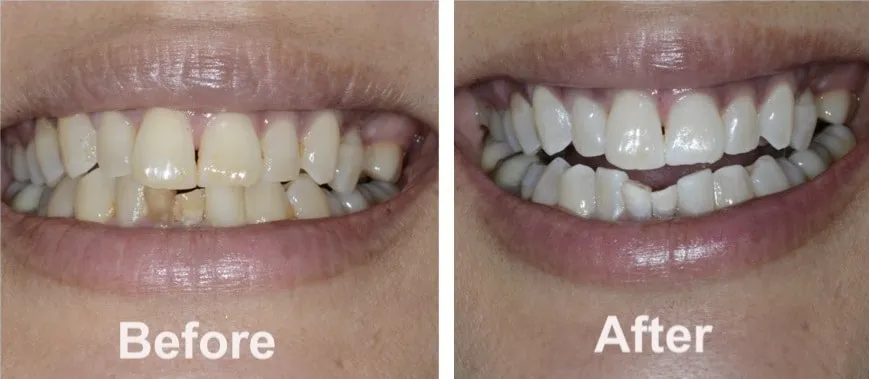
Foods to Avoid After Zoom Teeth Whitening
Undergoing Zoom teeth whitening is a significant investment in your smile, and maintaining those pearly whites requires diligent aftercare. One of the most crucial aspects of this aftercare is your diet. What you eat and drink immediately following the procedure can dramatically impact the longevity and effectiveness of your whitening treatment. This article provides a comprehensive guide on the foods you should avoid to maximize your results and keep your smile bright and healthy. Understanding the impact of different food groups and beverages is key to preventing staining and sensitivity, ensuring your investment in a brighter smile lasts.
Why Diet Matters After Whitening
Zoom teeth whitening works by removing stains and discoloration from your enamel. After the procedure, your teeth are more porous and susceptible to staining. This increased porosity means that pigments from food and drinks can easily penetrate the enamel, causing your teeth to re-stain. The first few days after whitening are critical, as this is when your teeth are most vulnerable. Following a strict diet during this time is essential to prevent the absorption of color from your food and beverages. Staining can not only diminish the whitening effect but also lead to uneven results. Therefore, your dietary choices directly influence how successful and long-lasting your whitening treatment will be.
Sensitivity and Staining

Post-whitening sensitivity is a common side effect, and certain foods can exacerbate this. Highly acidic foods can erode the enamel, increasing sensitivity. Additionally, the freshly whitened teeth are more likely to absorb staining agents, causing a return of discoloration. Therefore, it is vital to select foods that are gentle on your teeth and avoid those that can cause sensitivity or staining. This includes avoiding highly pigmented and acidic foods for a specified duration. Maintaining a balanced diet with neutral-colored foods helps protect your teeth and ensures you get the most out of your whitening treatment, with minimal discomfort and maximum results. Taking these factors into consideration can significantly influence your overall experience and results.
The First 24-48 Hours
The initial 24 to 48 hours following Zoom teeth whitening are the most critical for dietary restrictions. During this period, your teeth are most vulnerable to staining. Sticking to a ‘white diet’ is highly recommended during this time. This diet primarily consists of foods that are white or very light in color. This includes items such as plain pasta, white rice, skinless chicken or turkey, and dairy products like milk and yogurt. Avoiding anything with strong pigments, such as dark sauces, colored drinks, and intensely colored fruits, is essential. Staying hydrated with clear fluids, such as water, is also paramount. Following these guidelines minimizes the risk of staining and helps maintain the brilliant results achieved through your whitening procedure. Adhering to this stringent dietary regimen during the first two days can significantly impact the longevity and effectiveness of your whitening treatment.
Foods to Avoid
Knowing which foods and drinks to avoid is crucial for preserving your newly whitened smile. This section details specific food categories that can cause staining or increase tooth sensitivity. By steering clear of these items, you are more likely to enjoy a lasting, bright smile. Understanding the science behind staining and how specific substances affect your teeth allows you to make informed choices and protect your investment in teeth whitening. This will also help you maintain optimal oral health and avoid setbacks in your aesthetic goals. The key is to recognize potential pitfalls and proactively manage your dietary intake to ensure the best results.
Darkly Pigmented Beverages

Darkly pigmented beverages are notorious for staining teeth, especially after whitening. These drinks contain strong colorants that can easily penetrate the porous enamel and cause discoloration. Avoiding these beverages is critical to prevent your teeth from reverting to their previous shade. The concentration and intensity of these colorants are usually higher in these beverages. Switching to clear or lightly colored alternatives, like water or clear soda, can significantly mitigate the risk of staining and prolong the effects of your whitening treatment. It is advisable to be mindful of what you are consuming. Choosing the right beverages can contribute significantly to maintaining a brighter, whiter smile long after your Zoom teeth whitening procedure.
Coffee, Tea, and Cola
Coffee, tea, and cola are among the most common culprits for staining teeth. Coffee and tea contain tannins, which are compounds that bind to the enamel and cause discoloration. Cola, which is often highly acidic, can also erode the enamel, making it easier for stains to adhere. Avoiding these beverages during the vulnerable period following whitening is crucial. If you cannot completely eliminate these drinks, consider using a straw to minimize contact with your teeth. Rinsing your mouth with water after drinking these beverages can also help reduce staining. By making conscious choices and adopting preventative measures, you can minimize the impact of these staining agents on your newly whitened teeth and maintain a brighter smile.
Red Wine
Red wine is another significant staining agent, due to its deep color and the presence of tannins. Tannins not only stain but also help the colorants adhere to your teeth. The combination of these factors makes red wine particularly detrimental to the results of teeth whitening. Therefore, it is advisable to abstain from red wine, especially in the initial days after your procedure. If you have to consume it, drink it in moderation and follow up with rinsing your mouth with water to help remove some of the staining agents. Avoiding red wine during this critical period helps ensure the longevity of your whitening results. This proactive approach will help you maintain a brilliant smile and protect your investment.
Deeply Colored Foods

Deeply colored foods can also stain teeth, much like pigmented beverages. The intensity of the color is a good indicator of the potential for staining. Avoiding these foods is essential in the initial days following whitening. These foods typically contain pigments that can easily latch onto the porous enamel of your teeth, reversing the whitening effects. Careful selection of foods is crucial for maintaining your brighter smile. This includes understanding the nature of food-based staining agents and the degree to which they can affect your teeth. Paying attention to your food choices is essential to get the most out of your teeth whitening experience and to maintain a beautiful, white smile.
Berries and Dark Fruits
Berries and dark fruits, such as blueberries, blackberries, and cherries, are rich in colorants that can stain your teeth. Their vibrant hues are due to high concentrations of pigments that easily penetrate the enamel. These pigments can quickly discolor the teeth, especially when the enamel is more porous after teeth whitening. It is advisable to avoid these fruits, or consume them in moderation, during the vulnerable period. If you do consume these fruits, rinse your mouth with water immediately afterward. This helps to reduce the amount of pigment that remains on your teeth. This careful approach will help you preserve your teeth’s newly whitened appearance and achieve the best possible long-term results.
Sauces and Condiments
Many sauces and condiments, such as soy sauce, balsamic vinegar, and curry, are intensely colored and can stain teeth. These items often contain potent pigments and can quickly compromise the results of your teeth whitening procedure. The concentrated nature of these sauces enhances their staining potential. It is important to be mindful of the ingredients in these items and their propensity to stain your teeth. Avoiding these condiments during the recovery period will play a vital role in protecting your freshly whitened teeth. You may consider using lighter alternatives. Doing so will help safeguard your investment in teeth whitening and maximize the duration of your radiant smile.
Highly Acidic Foods

Highly acidic foods can exacerbate tooth sensitivity, which is a common side effect of teeth whitening. Additionally, the acidity can erode enamel, making teeth more vulnerable to staining. Limiting your intake of these foods is important to protect your teeth. The acidic properties of such foods can dissolve minerals in the enamel, increasing sensitivity. This can also open up the enamel to staining agents, potentially reversing the effects of the whitening treatment. By avoiding highly acidic foods, you can minimize discomfort and maximize the longevity of your bright smile. This will help you preserve the results of your whitening and maintain optimal oral health.
Citrus Fruits and Juices
Citrus fruits and juices, like lemons, limes, oranges, and grapefruits, are highly acidic. Their acidity can erode tooth enamel, increasing sensitivity. This erosion makes your teeth more susceptible to staining. The high acid content of these fruits weakens the enamel, making it easier for pigments to penetrate and discolor your teeth. It’s advisable to avoid these fruits, or consume them sparingly, during the period following your whitening treatment. If you do consume them, it is important to rinse your mouth with water immediately afterward to mitigate the acidic effects. This careful approach will help you maintain your bright smile and avoid unnecessary discomfort.
Tomatoes and Tomato-Based Products
Tomatoes and tomato-based products, such as tomato sauce and ketchup, are also acidic and can contribute to tooth sensitivity and staining. The acidity can erode the enamel, which in turn can lead to increased staining. These products also contain pigments that can cause discoloration. It is advisable to limit your consumption of these items during your recovery period. Considering alternatives with less acidity will aid in protecting your teeth. Rinsing your mouth with water after consuming tomato-based products can also help reduce the risk of staining. By taking these preventative steps, you can maximize the benefits of your whitening treatment and maintain your beautiful, bright smile.
The Role of Oral Hygiene

While diet plays a crucial role in maintaining your newly whitened smile, proper oral hygiene is equally important. Brushing, flossing, and using appropriate oral care products are key to protecting your teeth from staining and maintaining overall oral health. The combination of a careful diet and a regular hygiene routine ensures that your teeth remain white and healthy. Developing good oral hygiene habits is essential for long-term dental health. This will not only help preserve your white smile but also prevent other oral health issues. Proper care includes more than just avoiding staining agents. It encompasses a proactive approach to maintain a healthy mouth.
Brushing and Flossing
Brushing and flossing are fundamental practices in maintaining oral hygiene. Brushing at least twice a day removes plaque and food particles that can lead to staining and decay. Flossing daily removes debris from between your teeth, where a toothbrush cannot reach. This comprehensive approach helps prevent stains, maintains healthy gums, and ensures your overall oral health. Using proper brushing techniques and flossing regularly is essential for optimal oral hygiene. This combination effectively combats staining agents and promotes a vibrant smile. Prioritizing this aspect of your oral care routine can make a significant difference in preserving your teeth’s whiteness. Implementing this will also contribute to long-term dental health.
Using a Whitening Toothpaste
Using a whitening toothpaste can help maintain your bright smile by gently removing surface stains. These toothpastes contain mild abrasives and chemical agents that help break down stains. While these toothpastes can enhance your whitening results, it’s important to choose one that is gentle to avoid excessive abrasion to the enamel. Using a fluoride-based toothpaste is also recommended for strengthening your teeth and preventing decay. Incorporating a whitening toothpaste into your daily routine can help you maintain your bright smile. Remember to brush gently to prevent any potential damage to the enamel. When selecting a toothpaste, prioritize products that cater to sensitivity, as it is a common side effect of teeth whitening.
Maintaining Your White Smile

Maintaining your white smile requires a combination of careful dietary choices, diligent oral hygiene, and regular dental check-ups. By avoiding staining foods and beverages, practicing good oral hygiene habits, and visiting your dentist regularly, you can significantly extend the life of your whitening results. Staying informed about the best practices and making consistent efforts will help you preserve your radiant smile. This proactive approach is essential to enjoy the full benefits of your Zoom teeth whitening and maintain a beautiful, healthy smile for years to come. Continuing the practice of avoiding staining foods, coupled with a good oral hygiene routine, is key to a long-lasting, dazzling smile.